LED Face Mask Colors Explained: Red, Blue, Green & More
If your LED face mask includes several colors, it can be difficult to know where to start. Different colors represent different ranges of visible light, while some devices also include near-infrared light that is not visible to the eye.
Why do LED masks have different colors?
LED skincare devices use light-emitting diodes at specific wavelengths. The available wavelengths and combinations vary by device, so the settings on one mask might not be identical to another.
Red light
Red light is one of the most common settings in at-home beauty devices and is frequently incorporated into routines focused on a refreshed, radiant-looking complexion.
Near-infrared light
Near-infrared light uses wavelengths beyond the visible spectrum, which means you may not see it even when the device is operating. Some LED masks pair near-infrared with visible red light.
Blue light
Blue is another common setting in multi-color LED masks. Because wavelengths, intensity and recommended use vary, follow the instructions supplied with your specific device.
Green, yellow, purple and other settings
Multi-color masks may offer additional modes or combinations. Rather than choosing a setting based only on its color name, check the wavelength information and intended-use guidance provided with the product.
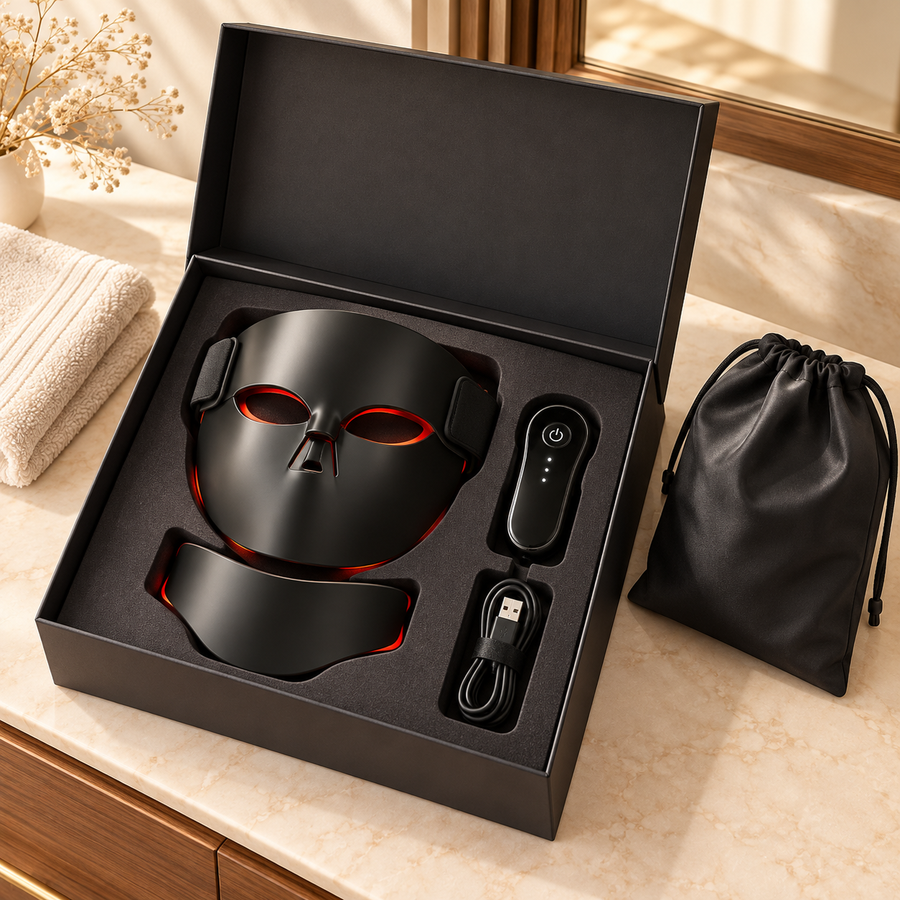
To explore multi-color options, see the SafiGlow 7-Color Portable LED Face Mask and the SafiGlow FlexAura 8-Color Face & Neck Mask. Check each product's listed modes and instructions, then use our LED mask comparison guide to compare the practical details beyond color count.
Which LED mask color should you use?
Start with your device instructions and your skincare goals. More colors do not automatically mean a better routine; comfort, consistency and appropriate use matter too.
Explore SafiGlow LED Face Masks and compare available light settings for your at-home routine.
Glow Beyond Time.
For general informational purposes only and not medical advice. Follow your device instructions and consult a qualified healthcare professional with questions about whether light therapy is appropriate for you.